Just Dance, Beat Saber, and the Woes of Music Licensing for Video Games

Just Dance. It's a game that heavily relies on the music it gets, so that players can dance to it. As an avid player of many music-based video games, I have always been fascinated by the process of getting music for these games. Music licensing plays a crucial role in the development and success of music video games, particularly popular titles like Just Dance. This post explores the importance of music licensing, how it works in the context of Just Dance, and its implications for the gaming industry.

The Role of Music Licensing
Music licensing is the process of obtaining permission to use copyrighted music in various media, including video games. This involves securing rights from the original artists, songwriters, and record labels. In the context of music video games, licensing ensures that the creators can legally feature popular songs, enhancing the gaming experience for players.
Just Dance: A Case Study
Just Dance, developed by Ubisoft, is one of the most successful music video game franchises. The game allows players to mimic dance moves to a wide variety of songs. Here’s how music licensing impacts Just Dance:
Song Selection: Just Dance features a diverse library of songs, from classic hits to contemporary chart-toppers. Each track requires a separate licensing agreement, which can be costly and time-consuming.
Artist and Media Collaborations: The game often collaborates with artists and other media projects to promote new releases, which can lead to exclusive tracks. These collaborations require additional negotiations for rights and royalties.
Regional Variations: Music licensing can vary by region due to different copyright laws, impacting the availability of songs in different countries. This means that the Just Dance experience can differ globally.
Original Music: Due to the high costs of licensing and issues obtaining licenses for songs, Ubisoft and the Just Dance Team have many times created their own original music to add to the games. This allows the team to use this music for marketing the game and in other projects besides just the game due to ownership of the music.

Challenges of Music Licensing
While music licensing enriches the gaming experience, it also presents several challenges:
Cost: Licensing popular tracks can be expensive, affecting the game's budget and development timeline.
Time Constraints: Securing rights can be a lengthy process, potentially delaying game releases.
Changing Trends: The music industry is fast-paced, and keeping up with current trends while securing rights can be difficult.
The Future of Music Licensing in Video Games
As the gaming industry continues to evolve, so does the landscape of music licensing. Here are some potential trends:
Increased Collaboration: More partnerships between game developers and artists may emerge, fostering unique in-game experiences.
Blockchain Technology: Emerging technologies may streamline the licensing process, making it easier to track rights and royalties.
Indie Music Integration: As independent artists gain popularity, music video games may increasingly feature indie tracks, providing fresh content at potentially lower licensing costs.
Conclusion
Music licensing is a fundamental aspect of music video games like Just Dance, influencing everything from song selection to player experience. As the industry continues to grow, understanding the intricacies of music licensing will be essential for developers and players alike. By navigating these challenges and embracing new opportunities, the future of music in video games looks promising.
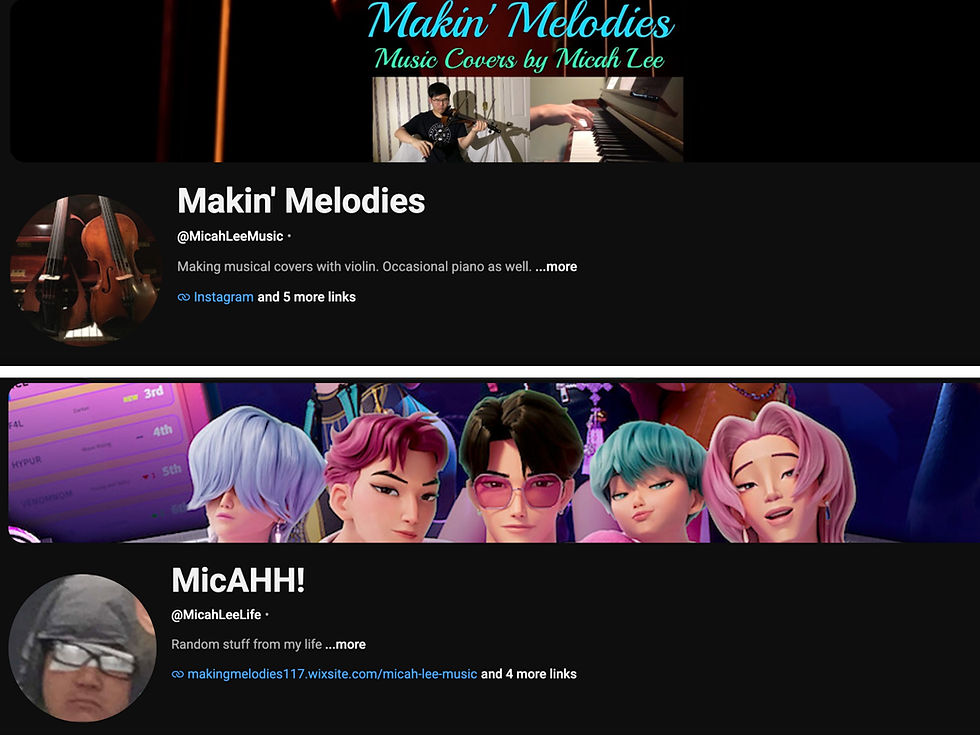
Check out some of the Just Dance content I made for my YouTube channels!:


Comments